When development teams collaborate across borders, technical expertise alone is not enough. Trust, open communication, and the ability to draw on different areas of knowledge are just as essential.
As Project Manager and Delivery Lead at Gofore DACH, I coordinate the project from Munich, working closely with our technical experts in Finland and our customer Poclain in France. Part of my role is connecting the teams across organizational and geographical boundaries, facilitating the exchange of information, and supporting timely decision-making. This approach established a close and productive collaboration very quickly.
From prototype assessment to machine integration
The first phase of the project consisted of gaining an in-depth understanding of the system and testing the first prototype in order to assess its maturity level.
In collaboration with Poclain, Gofore developed a calibration and validation strategy. This included defining the necessary tests, performance measurement methods, and a systematic approach to the calibration process. The results of the initial on-site calibration work confirmed the relevance of the chosen strategy and provided a solid basis for the next phase of the project.
The next step will focus on validating the prototype system in preparation for commissioning. Gofore will support the teams throughout the integration process.
Combining machine and transmission expertise
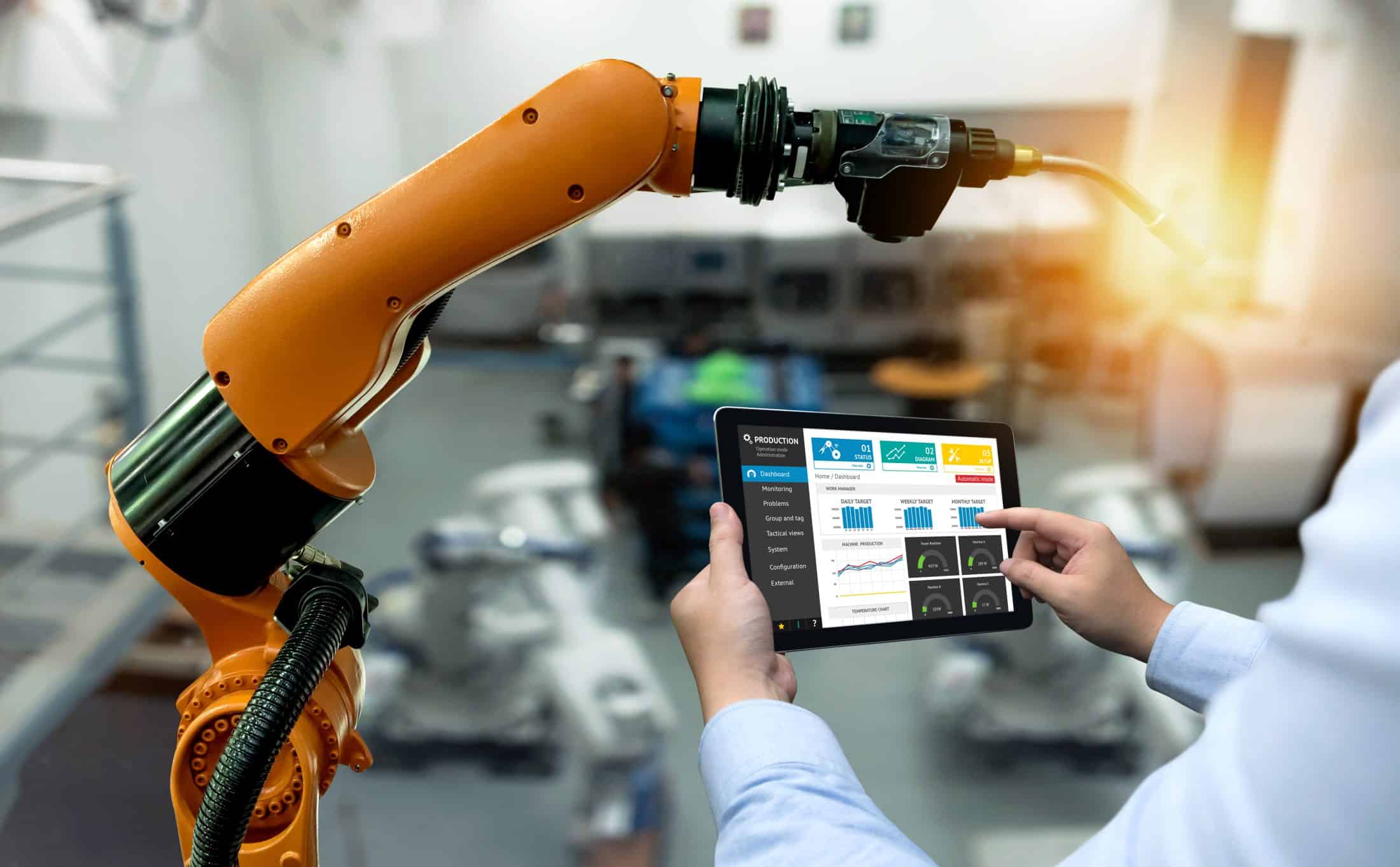
Integrating a complex propulsion system into a mobile machine goes far beyond simply connecting individual components. The transmission and the machine must operate as a single, perfectly coordinated system.
My own role is also strongly shaped by the international nature of this cooperation. The key to our success lies in our ability to bring the two teams closer together. This enables information to be exchanged quickly, speeds up decision-making, and helps address potential issues as soon as they arise.
The right expertise and the right way of working
Poclain was looking for an integration partner with practical experience in validating and calibrating propulsion systems for mobile machines. Gofore was already familiar with the technical environment and had the expertise needed to support the project.
Thanks to this prior knowledge, the project team was able to get started efficiently and focus very early on the most critical technical issues.
However, technical expertise was only part of the decision. It was just as important to find a partner whose working methods matched those of Poclain. The collaboration is characterized by agility, flexibility, and very direct communication.
Trust established from day one
One of the most striking features of the project is the high level of trust that existed from the very beginning.
This made it possible to create an environment where challenges could be identified very early, and decisions could be made efficiently.
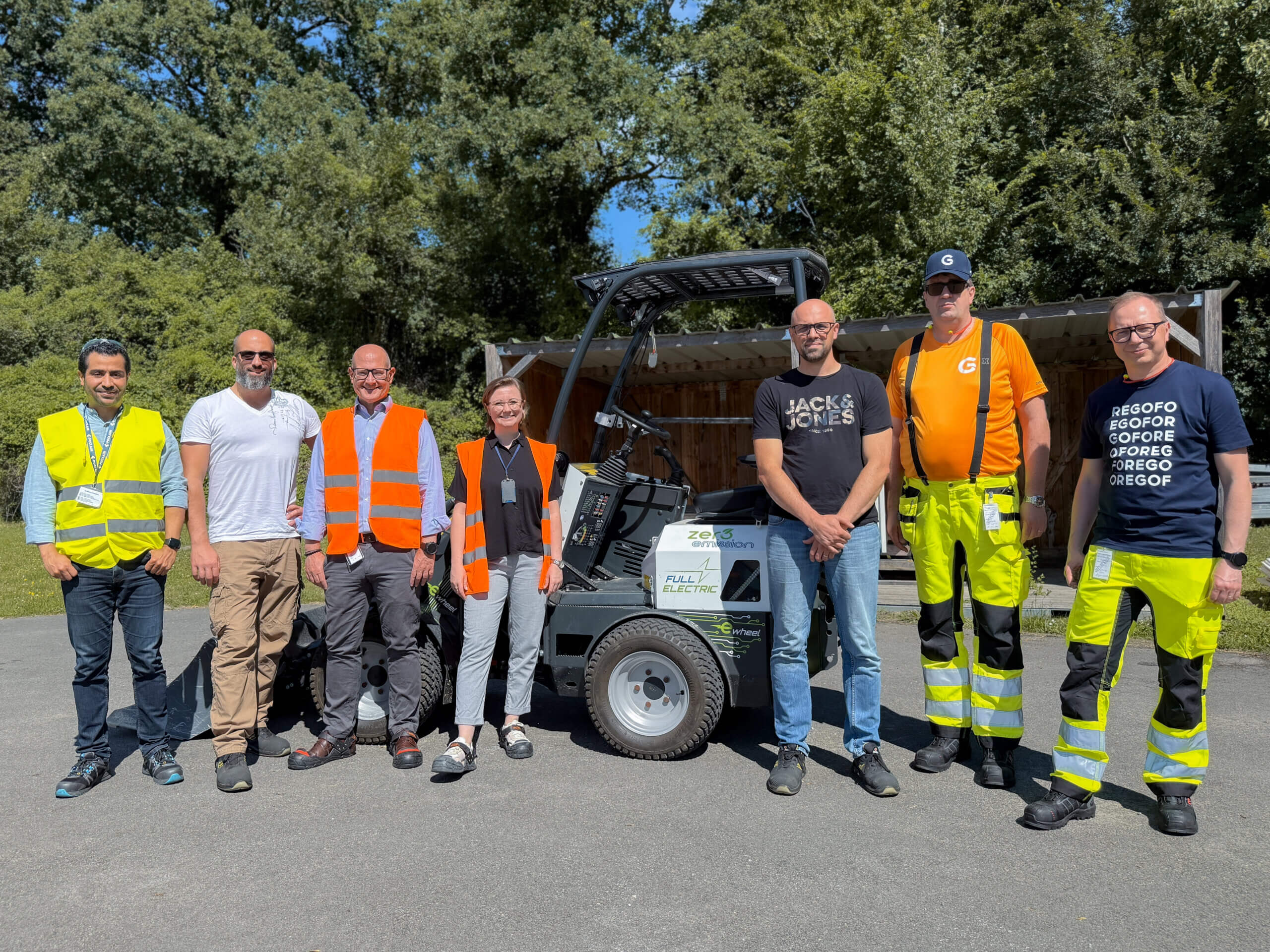
This openness is particularly important in an international project. Some team members are also present directly at the end customer’s site. Even so, information flows continuously and decisions are prepared collectively.
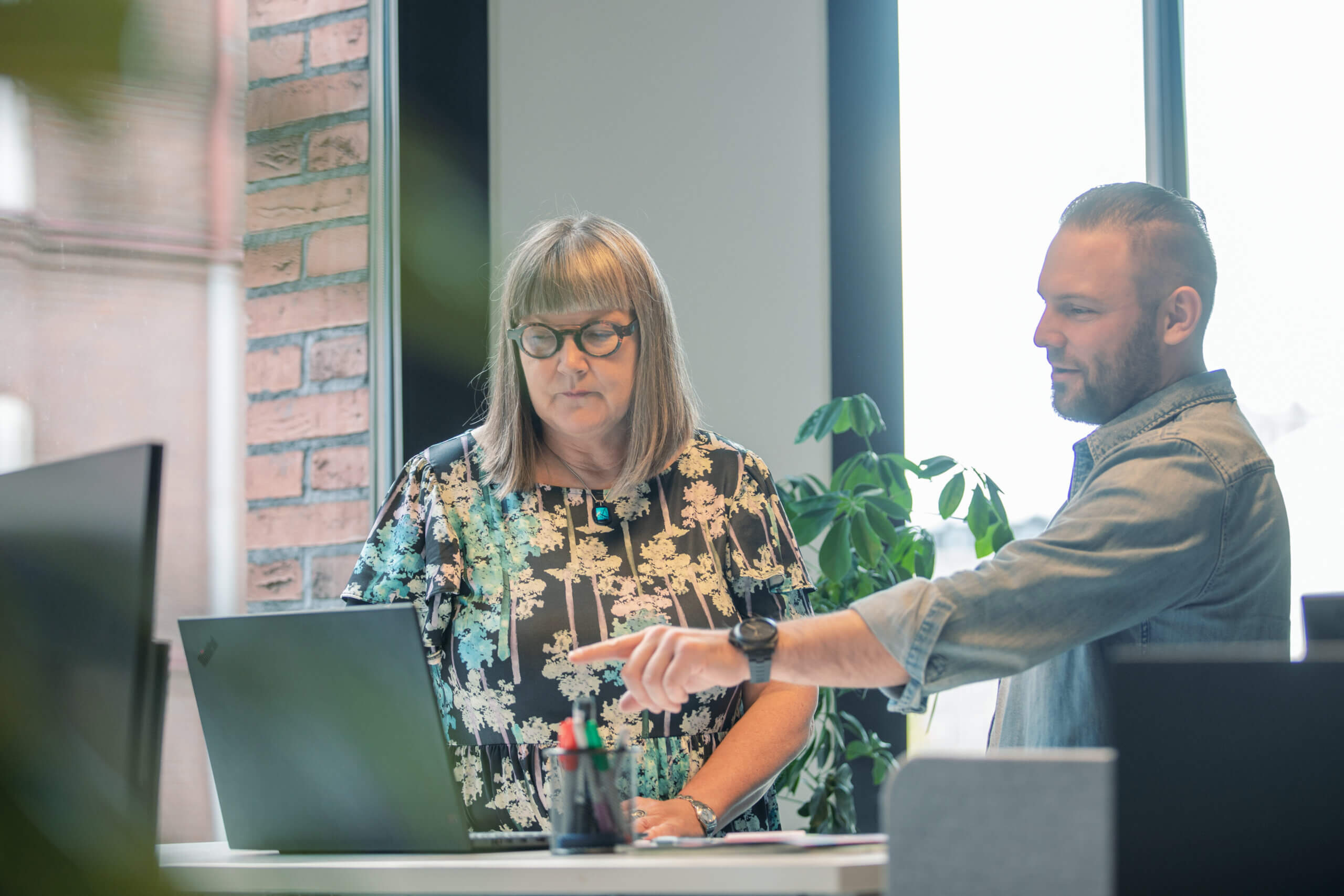
During my visits, I regularly see how valuable this direct and transparent exchange is. Thanks to open communication and clearly defined responsibilities, the team can adapt the testing process flexibly and move forward together. As a result, the collaboration felt natural and effective from day one.
International collaboration as an asset in engineering
International projects are often associated with challenges: geographical distance and cultural differences can lead to more complex communication structures. In this project, however, the international dimension proved to be a real strength.
Each team contributes a different part of the system knowledge required. Through open exchange, these individual areas of expertise are combined into a shared development approach. The different perspectives are not seen as an obstacle, but as an opportunity to design better solutions.
The balanced composition of the team also makes technical discussions more productive. Rather than defending organizational boundaries, everyone focuses on the same objective: ensuring that the machine and the transmission work together as a safe and high-performing system.
For me, this project perfectly illustrates what defines successful international collaboration. Technical expertise provides the foundation. The key is to create an environment in which knowledge is shared openly, responsibilities are assumed collectively, and cooperation is built on trust from day one.