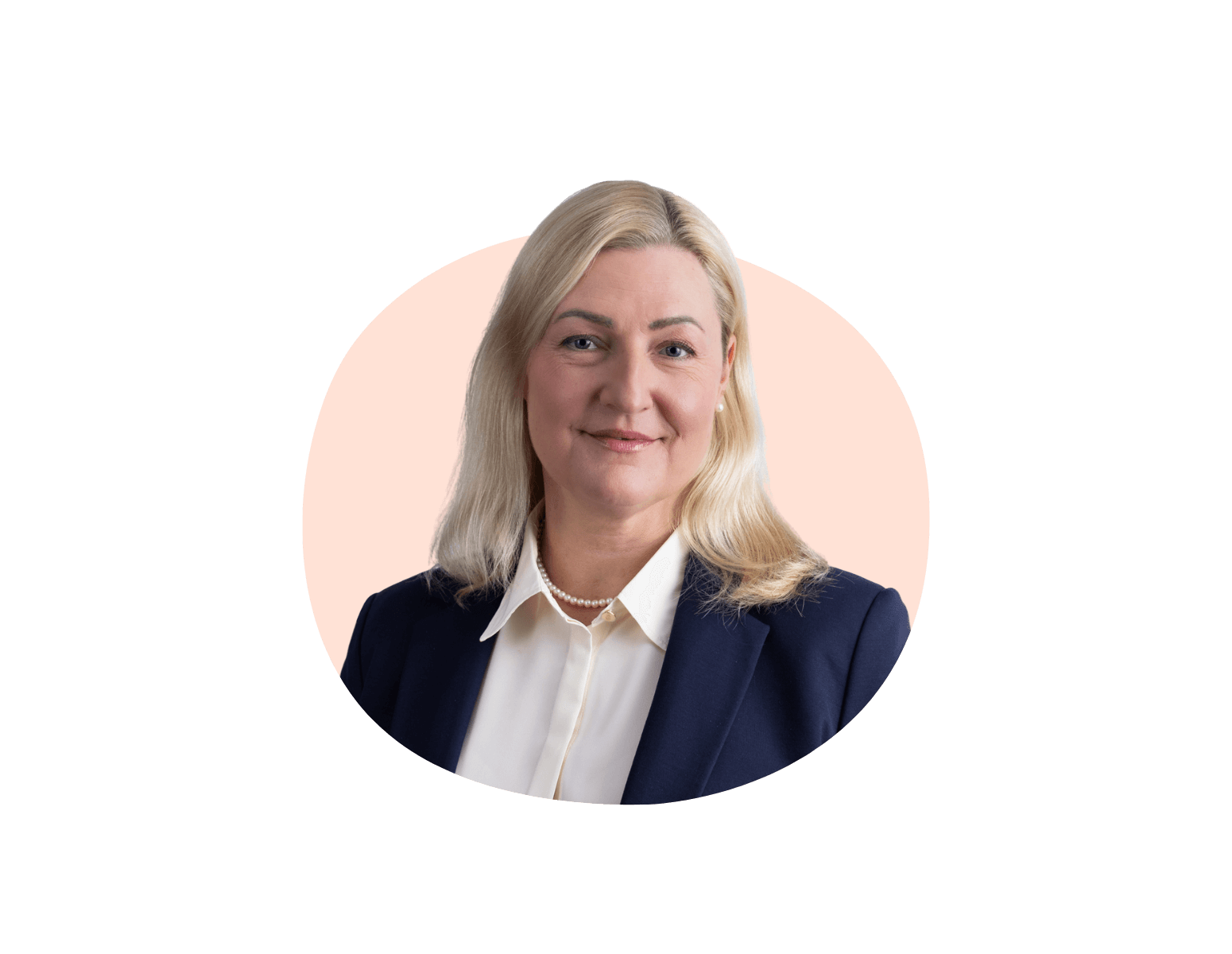
Pressure on Finland’s public finances makes public sector renewal essential. AI offers significant opportunities to improve productivity and impact, but technology alone is not enough. According to Jarkko Levasma, Director General of ICT at the Ministry of Finance, the decisive question is whether we have the courage to pursue this transformation with enough ambition, in a sustainable way, and in a manner that strengthens people’s trust.
Renewing public administration cannot mean simply transferring existing processes into digital form. If operating models remain unchanged, digitalisation may at worst add new layers on top of old bureaucracy instead of freeing up time for more meaningful and impactful work.
Levasma’s message at Gofore’s Digital Society 26 event was clear:
“AI can shorten lead times, bring services closer to real time, and strengthen anticipatory decision-making. At the same time, it forces us to ask what kind of public administration is possible — and acceptable — in the age of AI.”
That is why the success of this transformation will not be determined by technology alone.
“Renewal calls for open discussion about both the benefits and the risks, the courage to move forward despite uncertainty, and structures that allow data, competence and decision-making to cross organisational boundaries,” Levasma summarises.
Trust determines how far transformation can go
In his keynote, Levasma highlighted societal trust as one of the key prerequisites for a successful AI transformation.
“In this context, trust does not mean ignoring risks — quite the opposite. Change requires open and realistic discussion about both the opportunities and the risks of AI. At the same time, we need the courage to move forward in a situation where we do not yet have all the answers,” Levasma says.
“High trust is like the invisible operating system of Finnish society. But it is not permanent, nor does it renew itself automatically — it cannot be taken for granted. We need to work deliberately to identify and build more things that unite us than divide us. These observations were reinforced in the interviews conducted for our study,” says Ewa Tawaststjerna, Gofore’s Director responsible for public sector services.
The value of data is created across organisational boundaries
If trust is the invisible operating system of Finnish society, data is one of the key building blocks of future public sector impact. The use of AI therefore raises important questions: where is data created, who can use it, and under what conditions can it be combined?
“High-quality data is a prerequisite for AI, but the operational data of individual organisations is not enough on its own. Greater societal value is created when information can be combined across administrative boundaries in a way that is both technically feasible and acceptable from the citizen’s perspective,” says Levasma.
“This allows public administration to move from processing individual events towards understanding broader phenomena and making more anticipatory decisions. It requires shared structures, platforms and standards that enable data to move securely across administrative boundaries.”
At the same time, trust is needed to ensure that data is used transparently, responsibly and for the benefit of citizens. Data only creates value when there is both the practical capability to use it and a shared mandate to do so.
What are the priorities for accelerating public sector digitalisation in Finland?